Our Story
Rooted in Tanzania
Rooted in Tanzania
Grace Of Africa is an Afro-Gospel worship project. Music for peace, comfort, and faith. We sing in English with Swahili woven through, because that is how we speak. We build songs on choir harmonies and African percussion, because that is what we know.
The project launched 20 October 2025. In the first six months, the music reached over 10 million streams and listeners in more than 170 countries. Afro-Gospel, rooted in Tanzania, made for the world.
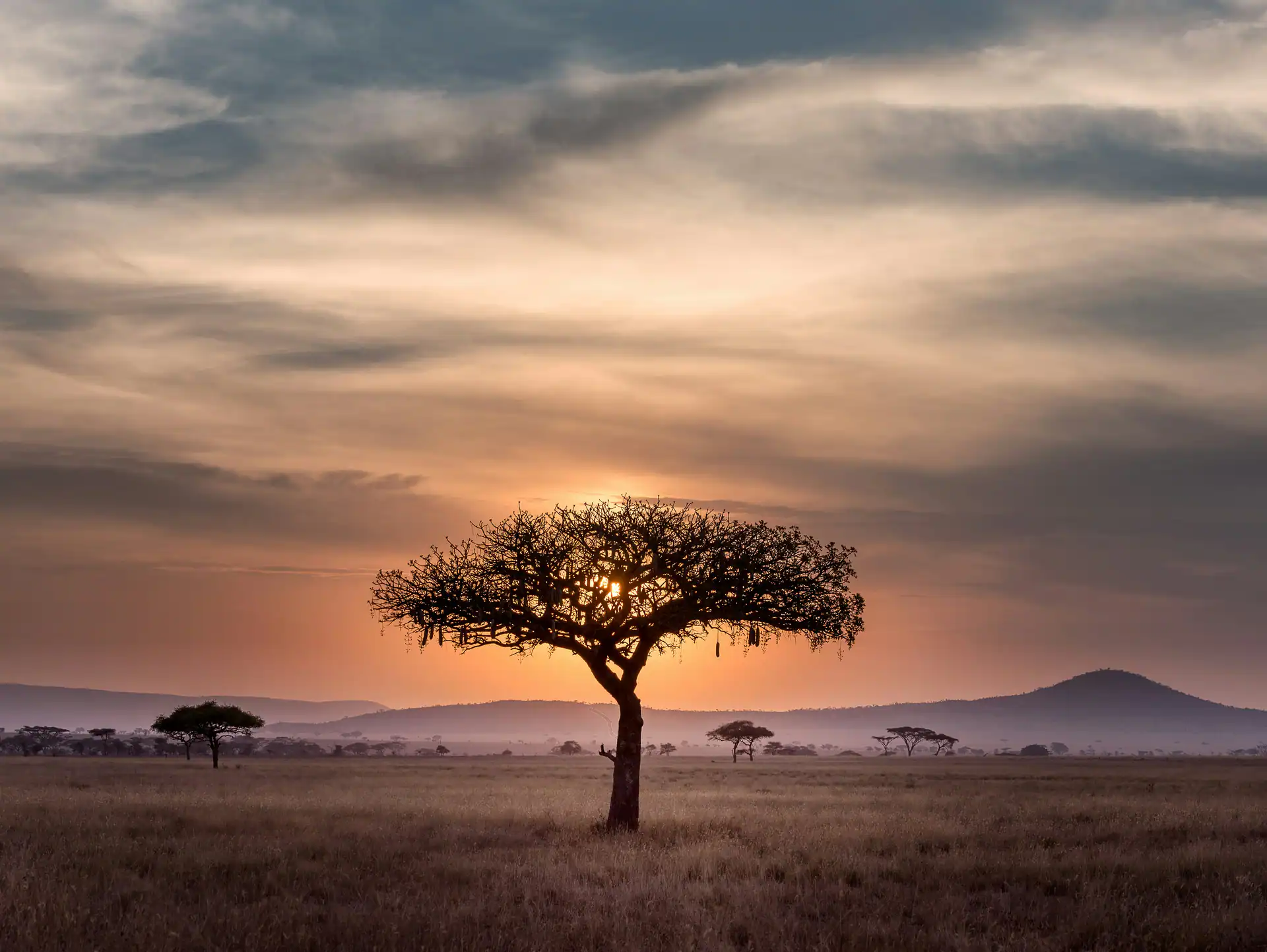
Rooted in Tanzania. East Africa is not a backdrop for the music; it is the source. The production draws from the studios and sounds of the region. The melodic language comes out of years spent with East African artists. The Swahili lines are written the way people actually speak and pray.
The visual world reflects the same place. African landscapes, warm earth tones, the textures of stone, sand, and sky. No artist photo. The land is the face of the project.
Grace Of Africa is made by a Norwegian music producer and songwriter who spent years inside the East African music industry, producing and co-writing for some of the region's biggest artists. That catalogue crossed 100 million streams.
In 2025, that experience turned toward worship. The intention was not a pop project. It was Afro-Gospel that could land in East Africa and travel anywhere else. Rooted in Tanzania, made for the world.
Grace Of Africa is a faceless project. The vocals and most of the production are AI-assisted. The songwriting, creative direction, arrangement, mixing, and mastering are done by a human producer.
Every song begins with an idea, a phrase, a prayer, or a passage of Scripture. Swahili lines are written, not translated by a model. English lines are written with the same care. The technology serves the songs. The work is honestly disclosed on every platform that allows for it.
No artist photo. No persona. No face on the cover. The visual world is the identity: African landscapes, warm earth tones, the textures of the continent. The music and its message speak for themselves.
When you listen, you are not listening to a performance. You are sitting with something made for you, in the quiet, without a face attached.
If you grew up in church, this music is for you. If you are walking past church and curious about what is inside, this music is for you. If you are a listener who has no particular faith but knows what comfort sounds like, this music is for you. We do not check your credentials at the door.
Music for peace, comfort, and faith. Quiet songs for hard days. Songs you can sit with at four in the morning. Songs that will be there when something difficult comes.
Grace Of Africa has been placed by editors at the major streaming platforms. Apple Music New Music Daily. Spotify Viral 50 in Nigeria and South Africa. Audiomack Trending. Boomplay Daily Top 100 Christian & Gospel.
A Norwegian music producer and songwriter who spent years inside the East African music industry, producing and co-writing for some of the region's biggest artists. Grace Of Africa is faceless by design. The work is the face.
Grace Of Africa is a faceless project. The vocals and most of the production are AI-assisted. The songwriting, creative direction, arrangement, mixing, and mastering are done by a human producer. The work is honestly disclosed on every platform that allows for it.
English with Swahili woven through. Most tracks are roughly 80 percent English, 20 percent Swahili. Some songs lean more heavily one way or the other. Swahili appears as adlibs, worship phrases, full lines, or full verses.
To keep attention on the music and the message, not a personality. There is no artist photo. The visual world is the identity: African landscapes, warm earth tones, the textures of the continent.
Grace Of Africa launched 20 October 2025. In the first six months, the music reached over 10 million streams and listeners in more than 170 countries.